
Designing the Future Through
Biology, Creativity, and Community
Welcome to SynBio & Me, a collaborative project led by the University of Maryland, Loyola University Maryland, and the University of Maryland Baltimore County (UMBC).
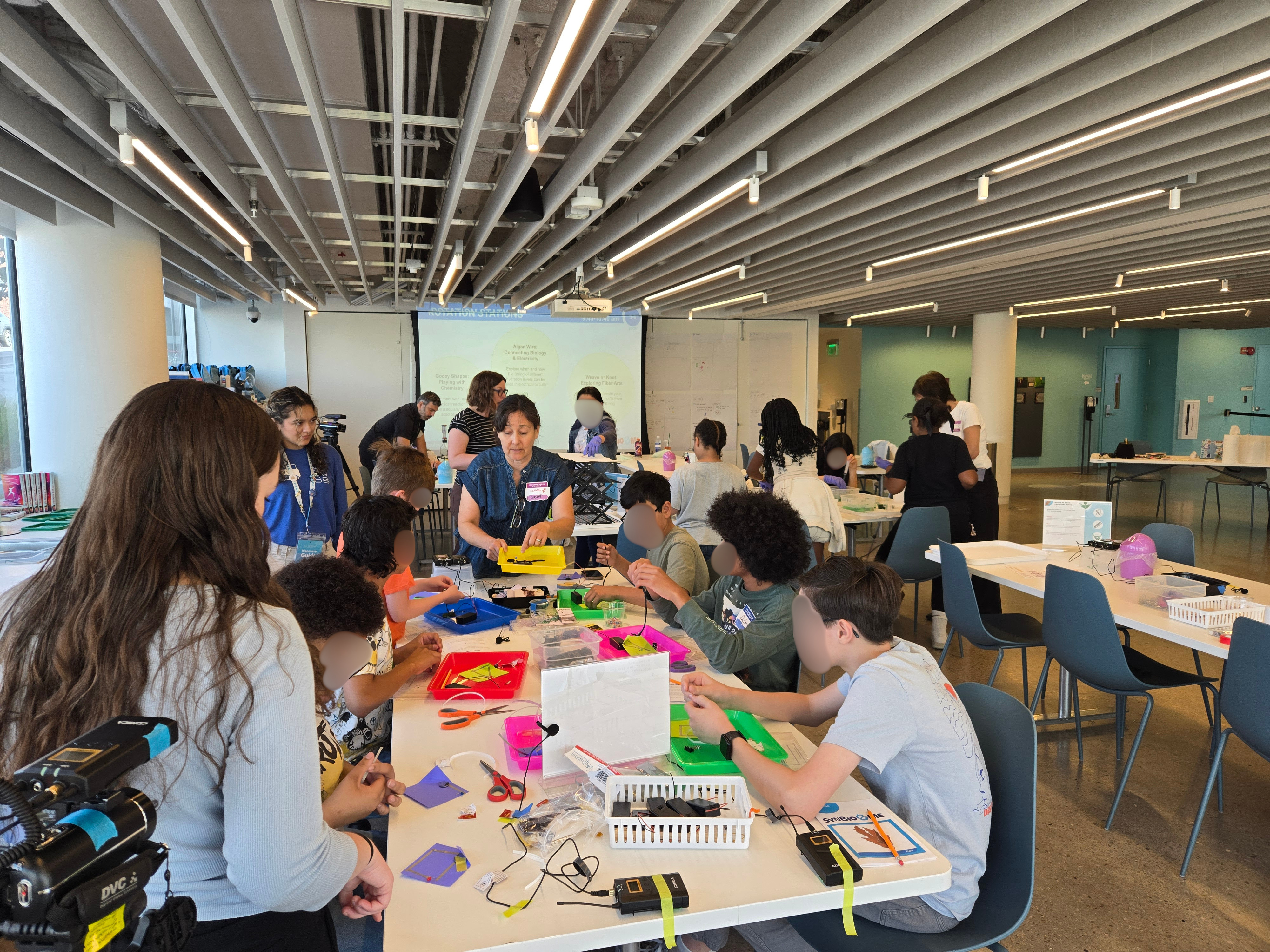
SynBio & Me engages middle school youth and their families in BioMaker activities that introduce synthetic biology concepts through hands-on learning in informal settings. Led by researchers and community-based organizations in El Paso, Texas, and Baltimore, Maryland, the project uses participatory co-design approaches to ensure activities reflect community values, priorities, and lived experiences.
As part of a three-year NSF AISL-funded initiative (Award #2607732), SynBio & Me brings together researchers, educators, families, and community partners to collaboratively design meaningful, accessible, and community-centered learning experiences.
Through workshops, co-design sessions, and family-centered learning opportunities, the project explores how intergenerational dialogue and community partnerships can broaden participation in STEM and advance research in informal science learning.
Facilitate and research engaging BioMaker activities that support synthetic biology learning and STEM participation.
3. Investigate intergenerational learning and engagement.


Our Project Priorities:

To engage youth and families in synthetic biology learning experiences through community-centered biomaking and co-design.

.png)
1. Co-design BioMaker activities together.
2. Implement and study BioMaker learning experiences.
Collaboratively create hands-on learning experiences that reflect community values, culture, and creativity.
Explore how youth and families learn, communicate, and engage with synthetic biology together.

We listened, learned,
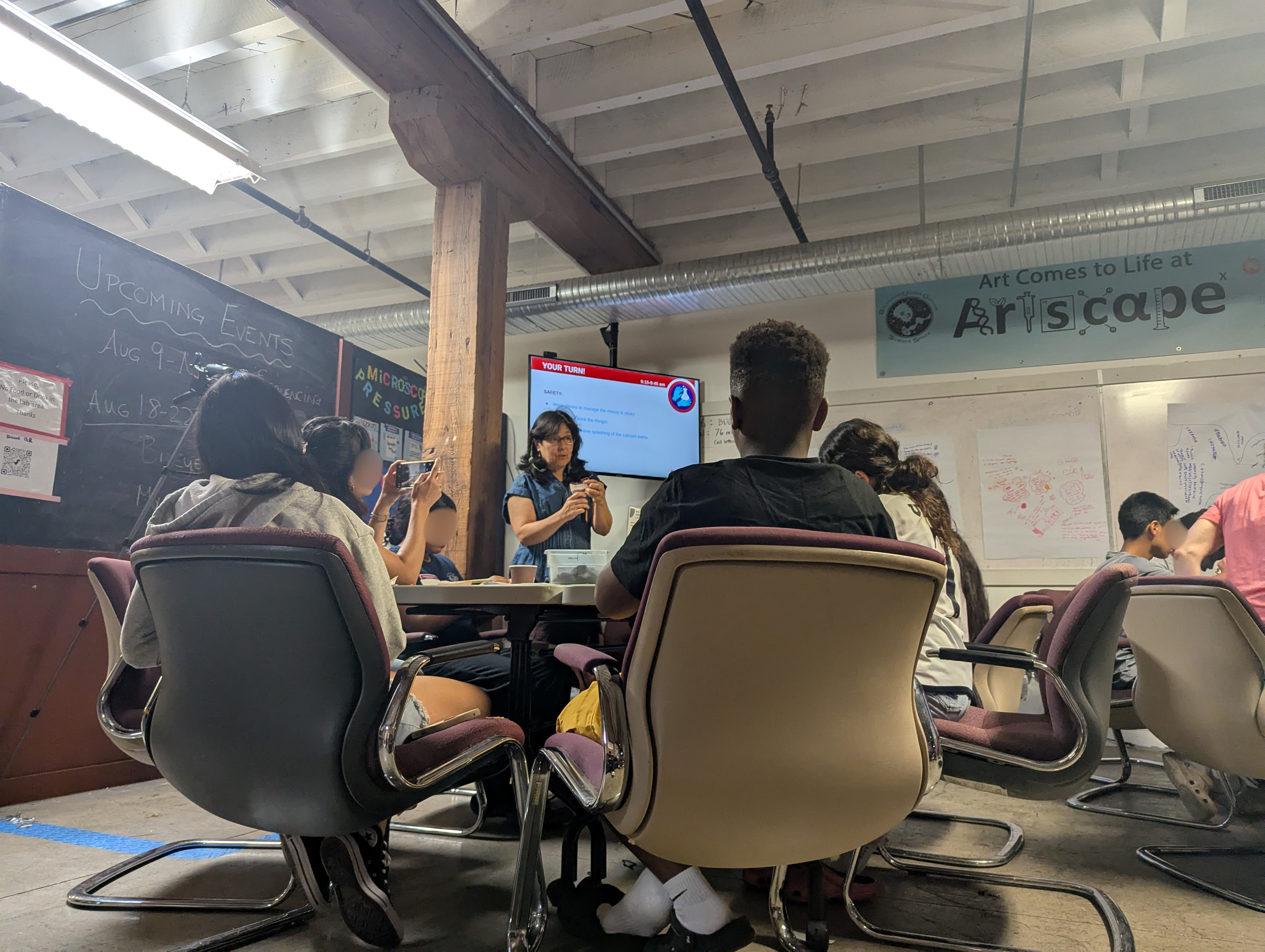
and imagined together. Through workshops and conversations, we identified what our communities need and value.
Co-Design
YEAR 1

PILOTING
YEAR 2
We prototyped, tested, and refined hands-on synthetic biology activities that are fun and meaningful, in different settings.

OUR JOURNEY
Through two years of co-design and prototyping with families, educators, and community partners.

Explore Our Collaborators

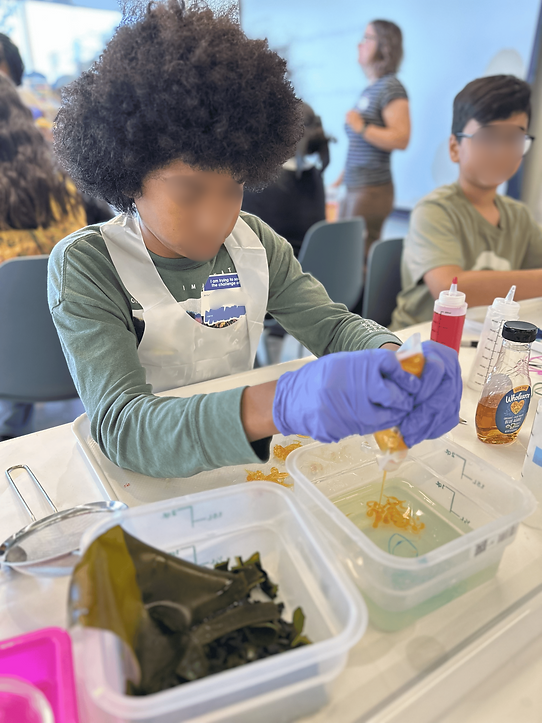
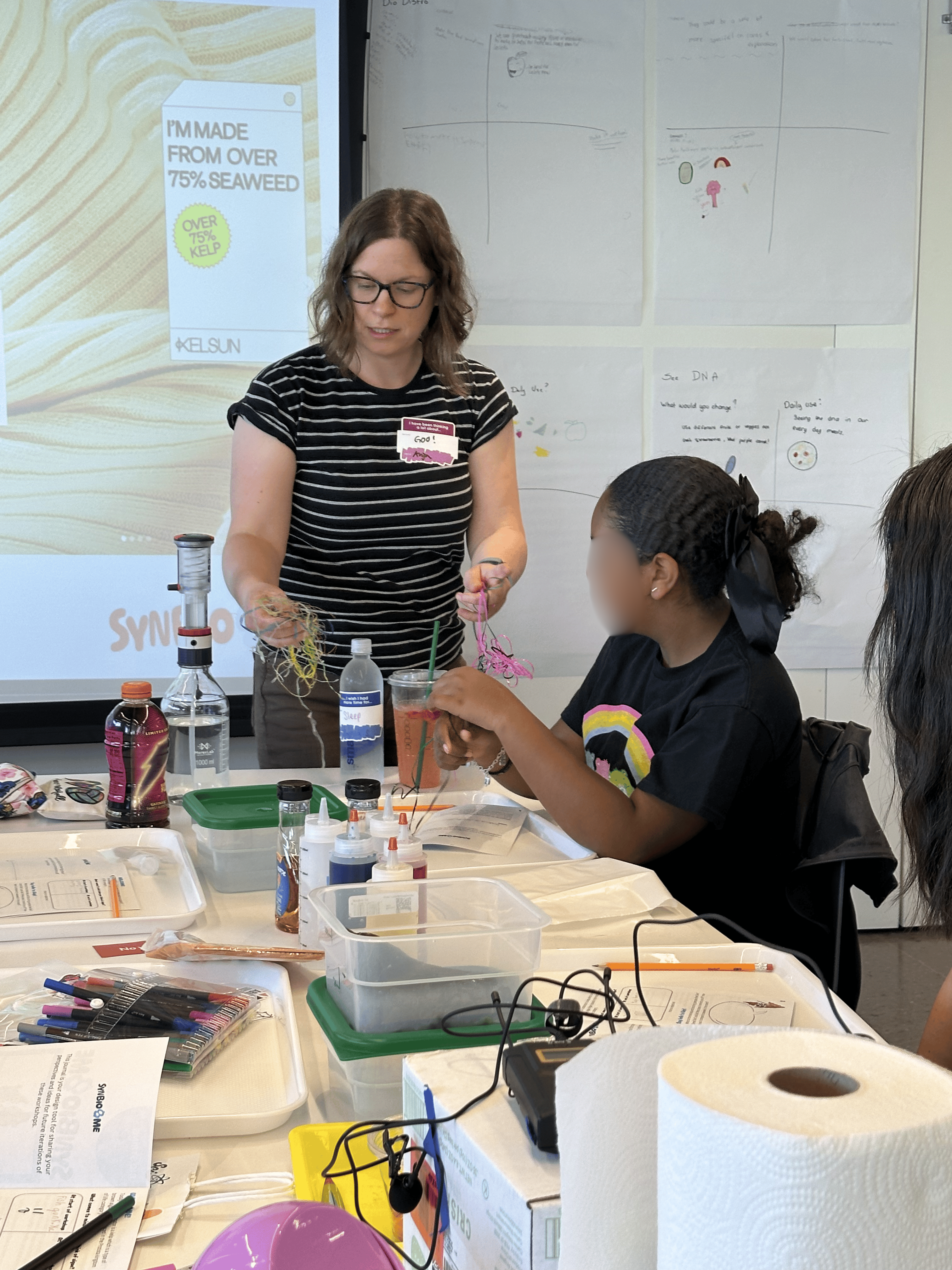
Kelp-Derived Alginate
Algae Accessories
Design wearable jewelry or other accessories from custom kelp-based bioplastic string, then weave it with patterns and stories.

Mycelium
Fungi Games
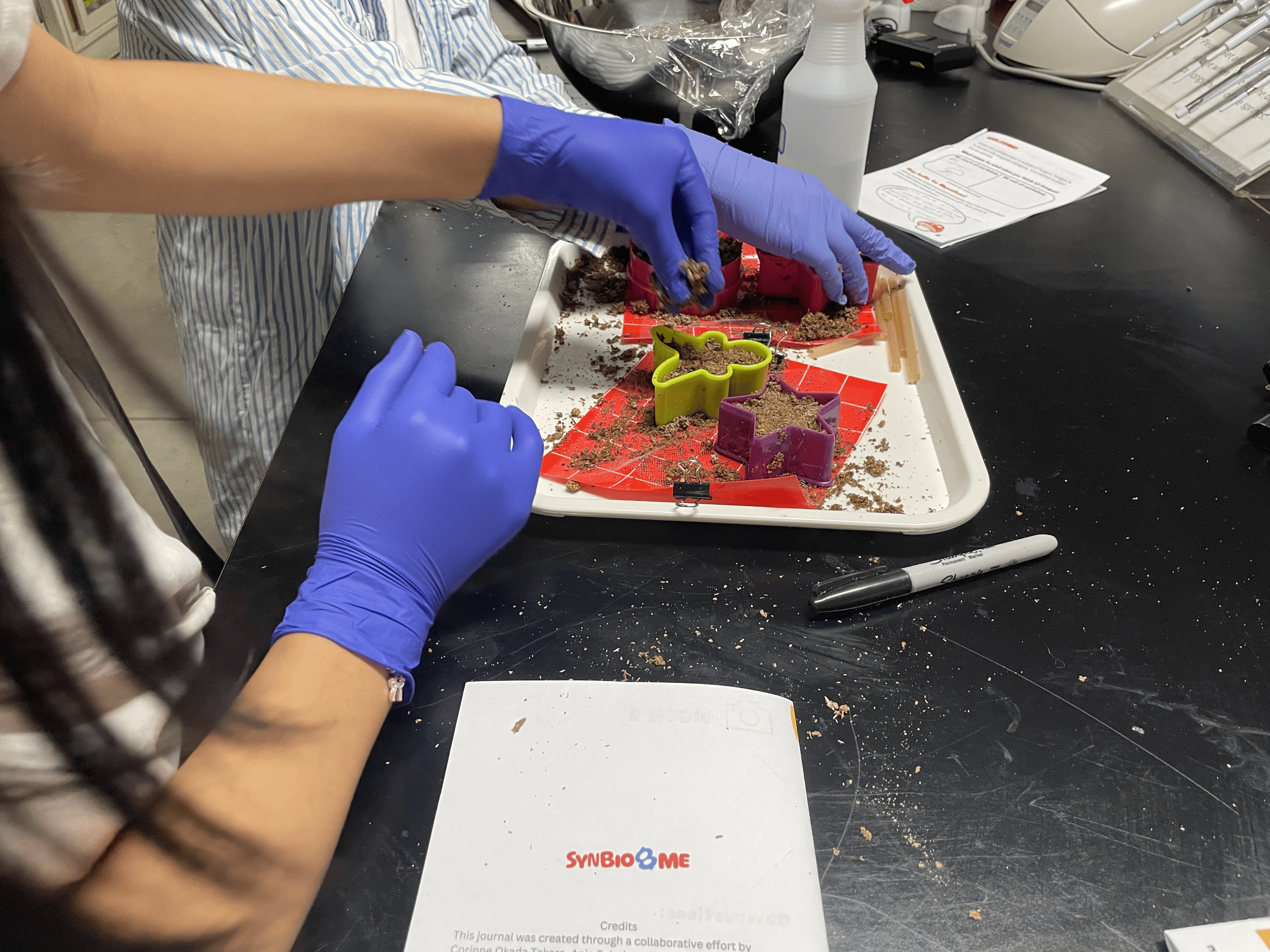
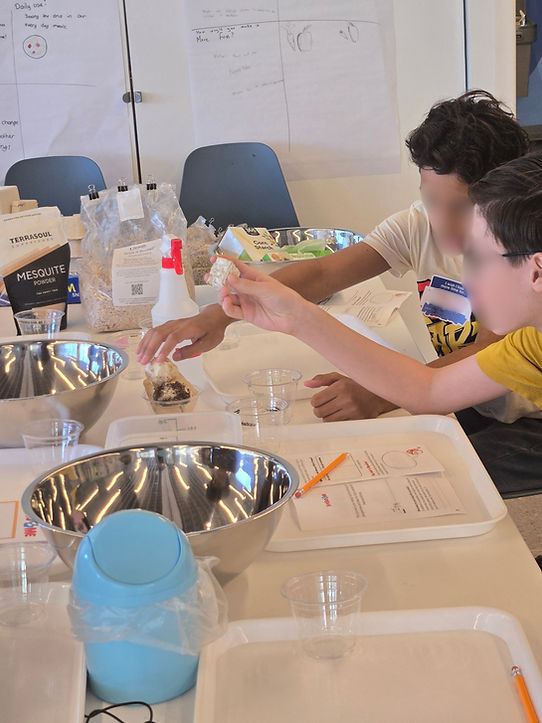
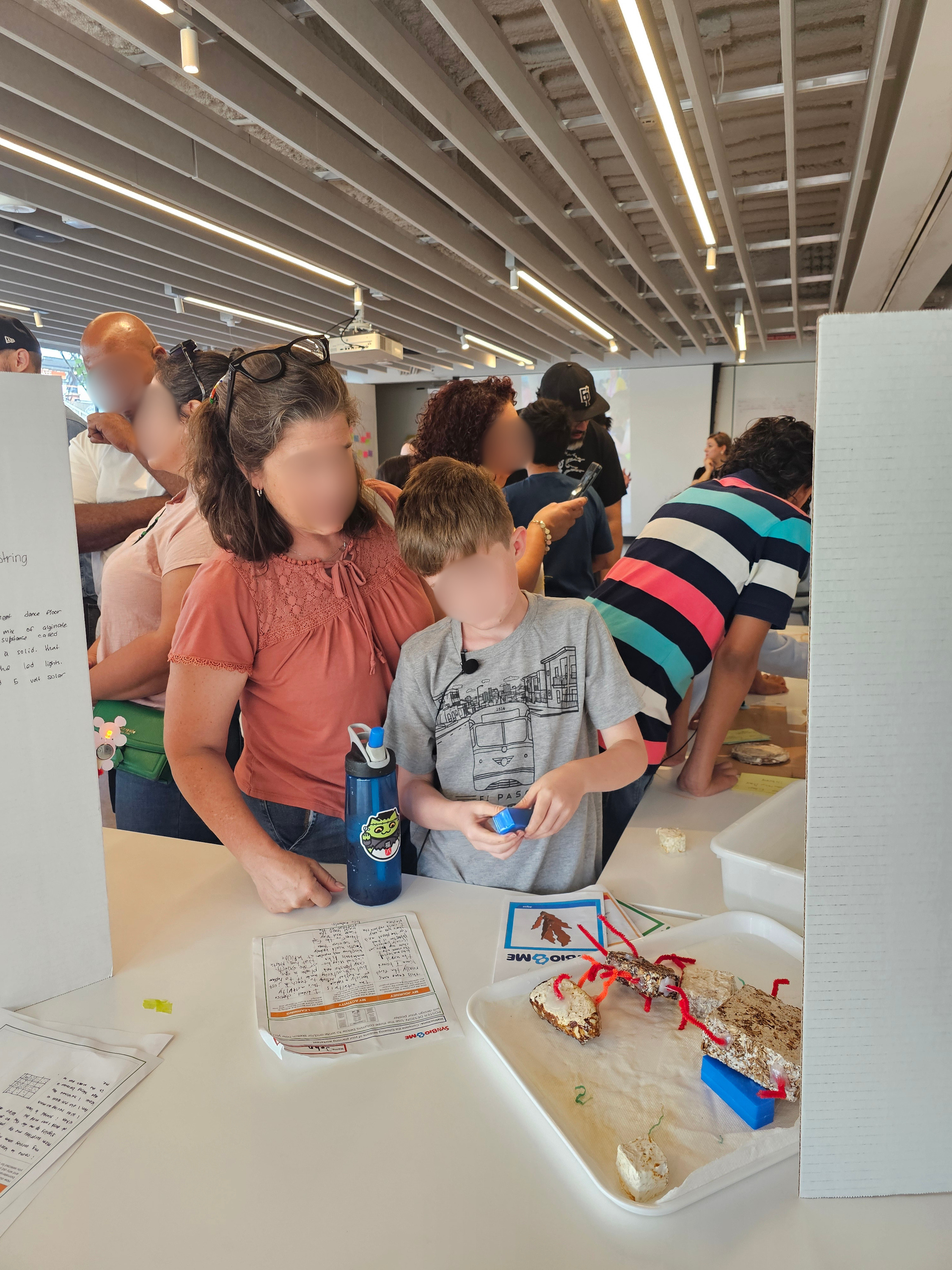
Make game pieces and game boards with a living mycelium material that grows into unique 3D forms.

Genetically Modified Microbes
Microbe Art Worlds
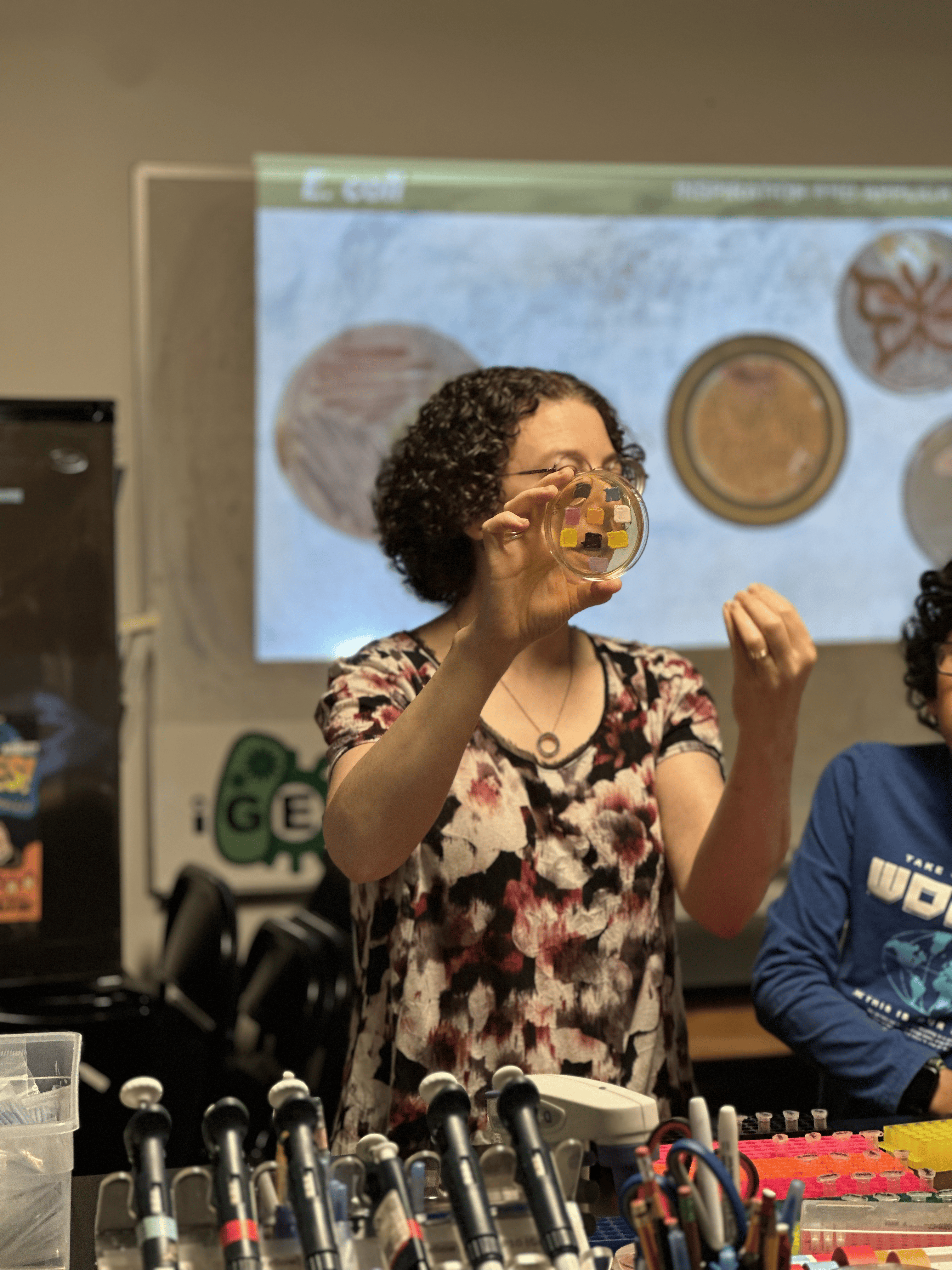
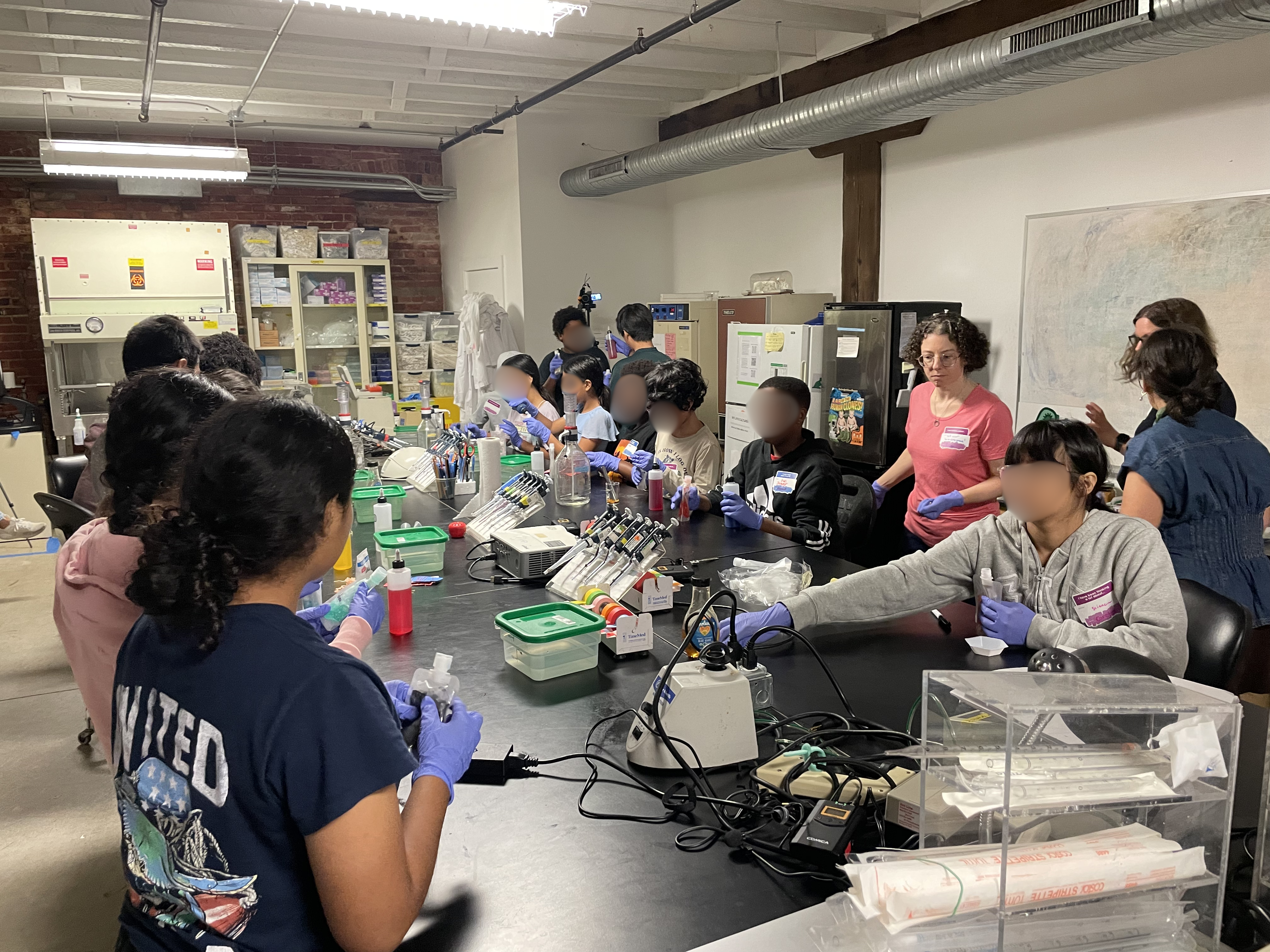
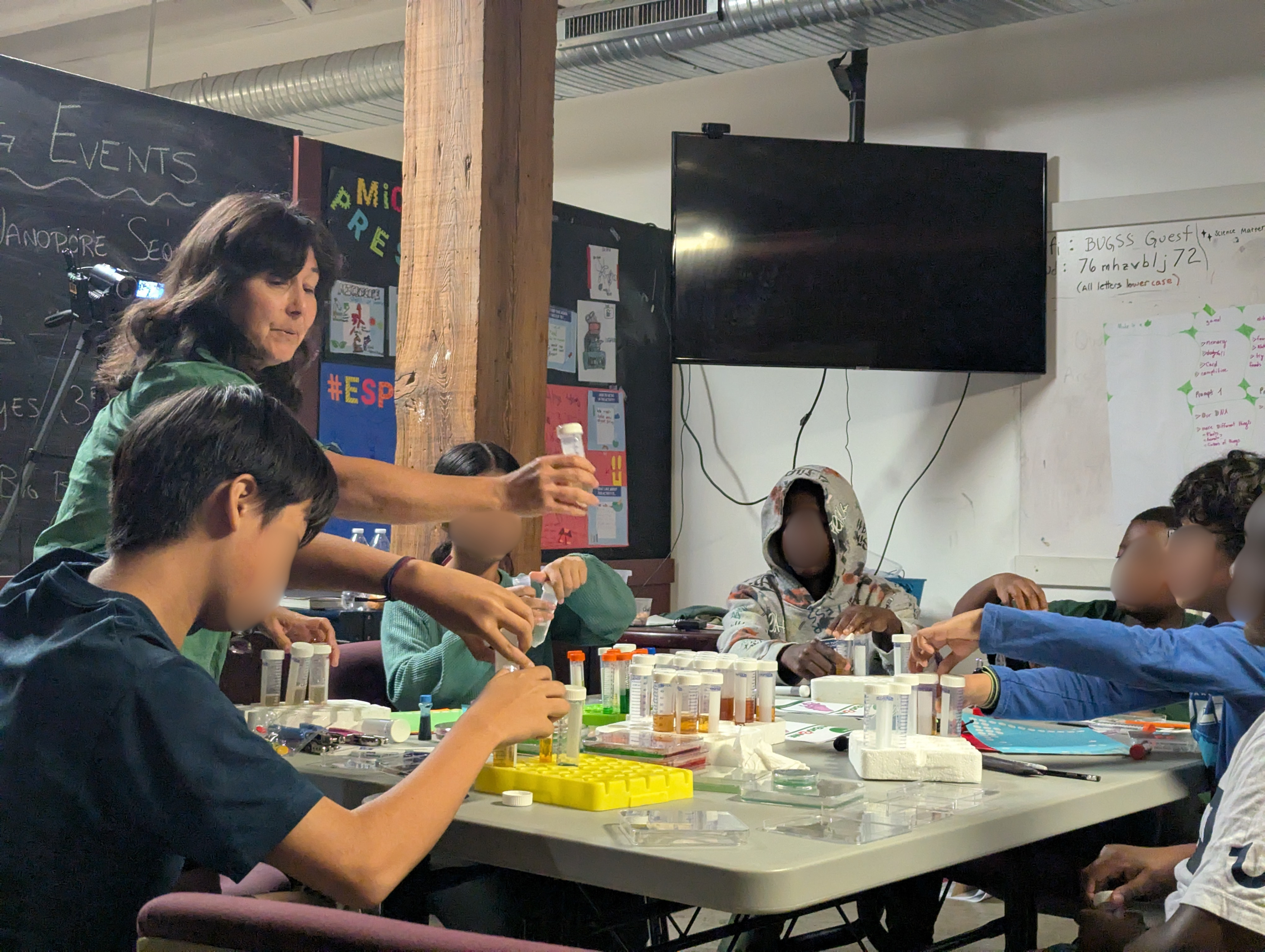
Create art with genetically modified microbes to explore genes as instructions, responsibility, and safe collaboration with living cultures.


Year 1: Co-Design
Year 2: Pilot and Implementation

Our Timeline
Year 3: Scale-Up
A three-year journey of learning, co-designing, and scaling synthetic biology for youth and communities.

2026
Research Goals
Understanding, engaging, and inspiring through synthetic biology and STEM.

July 2025
First Co-Design Workshop — La Nube (El Paso)
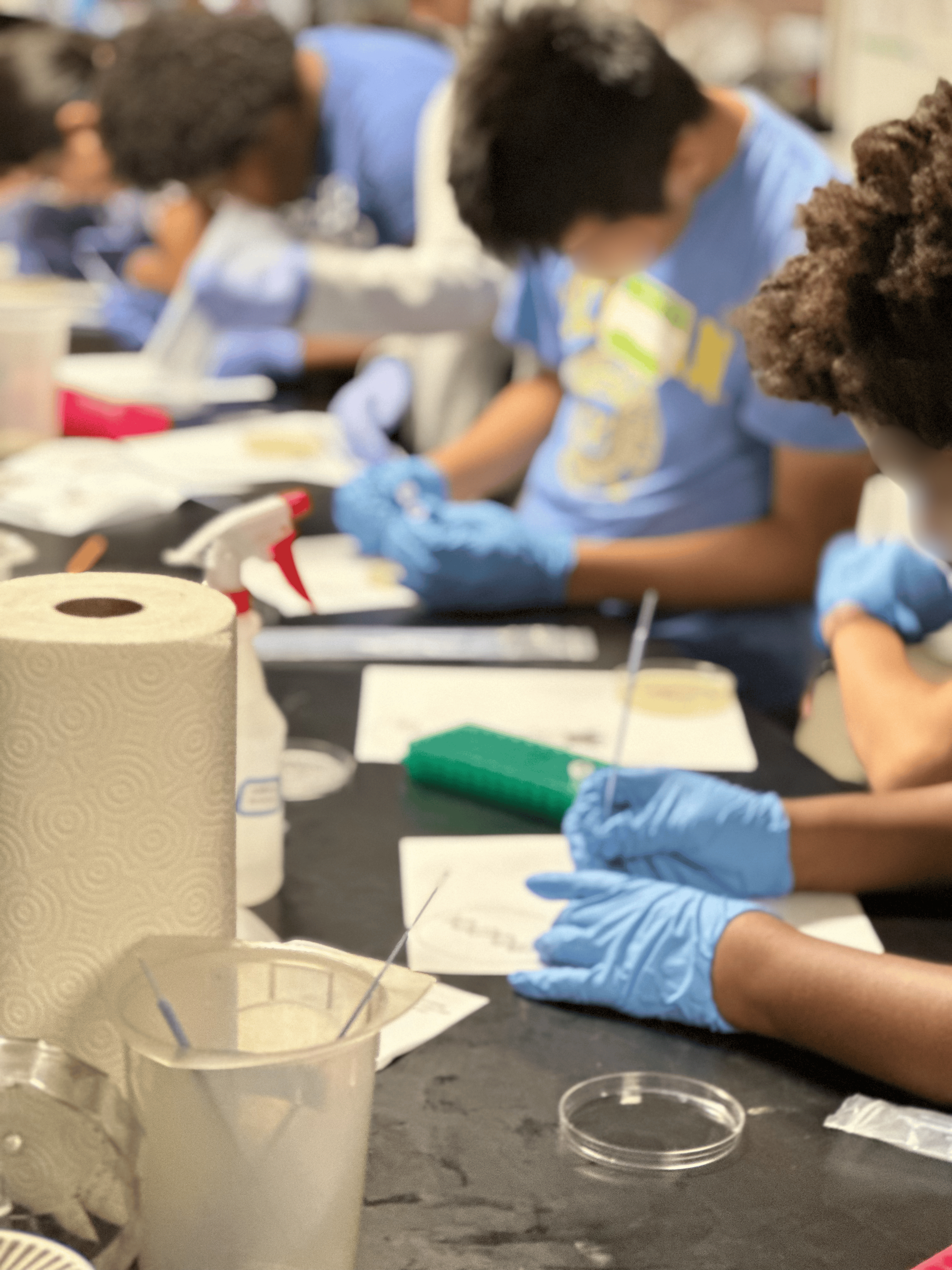
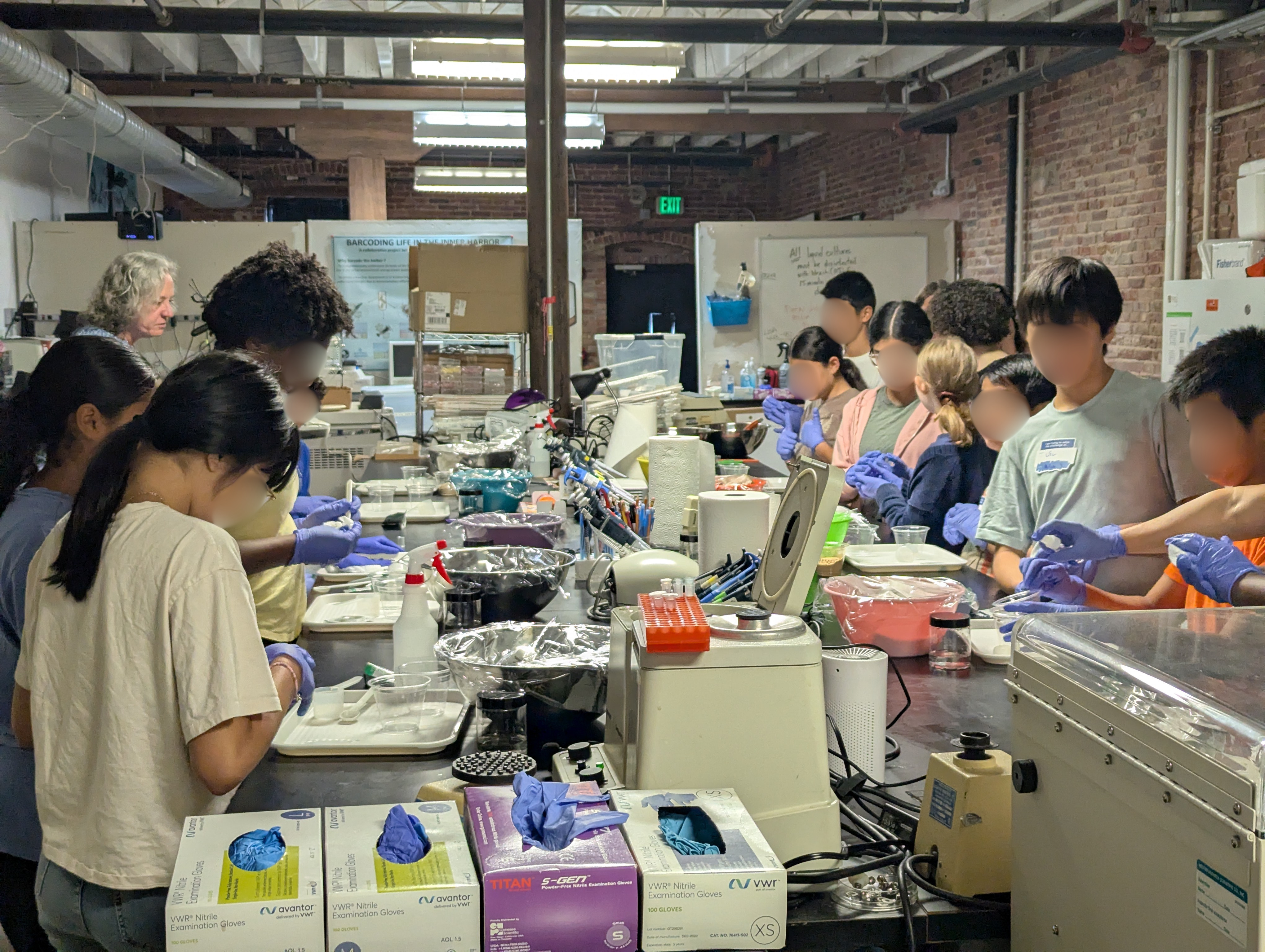
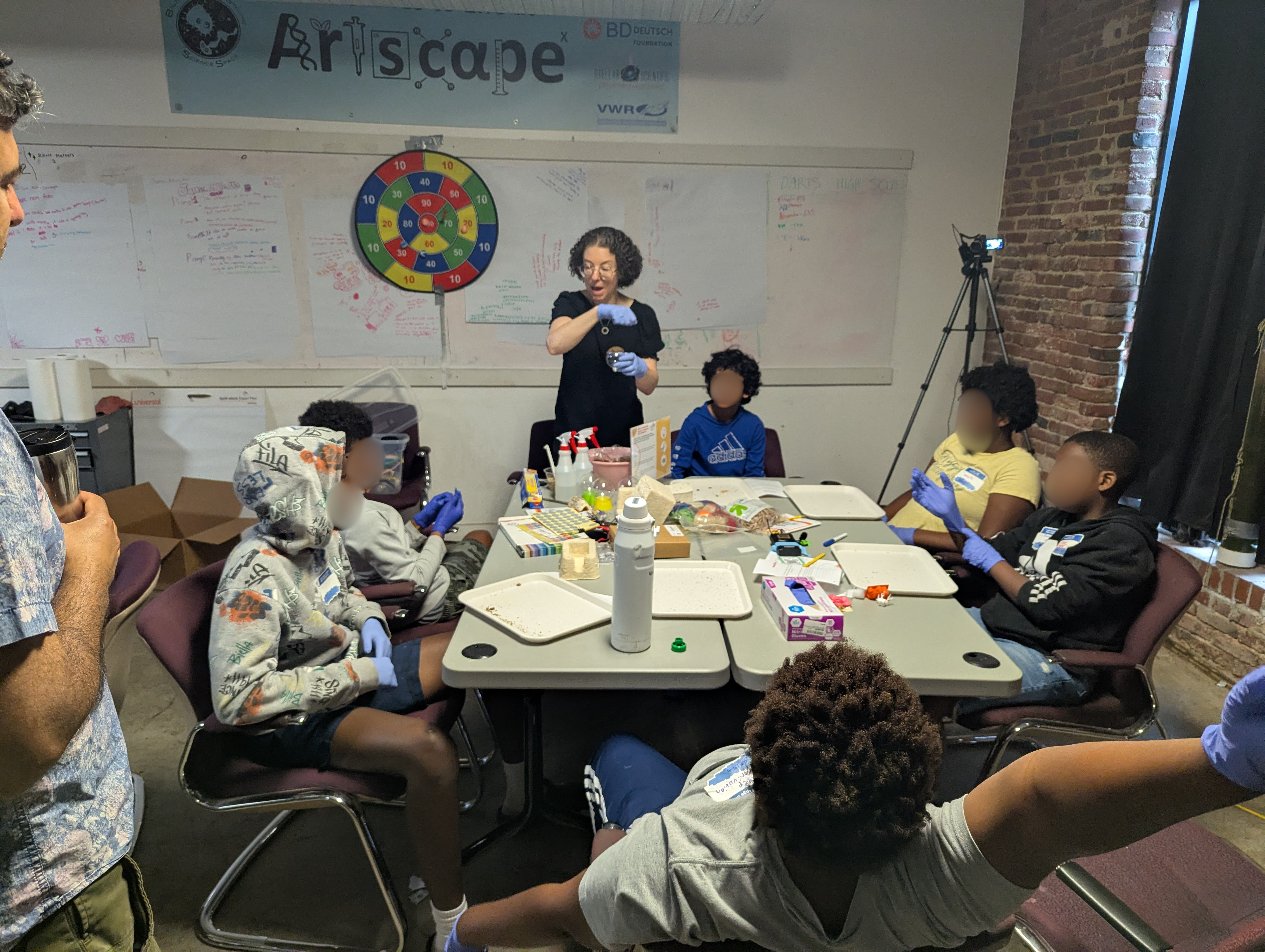
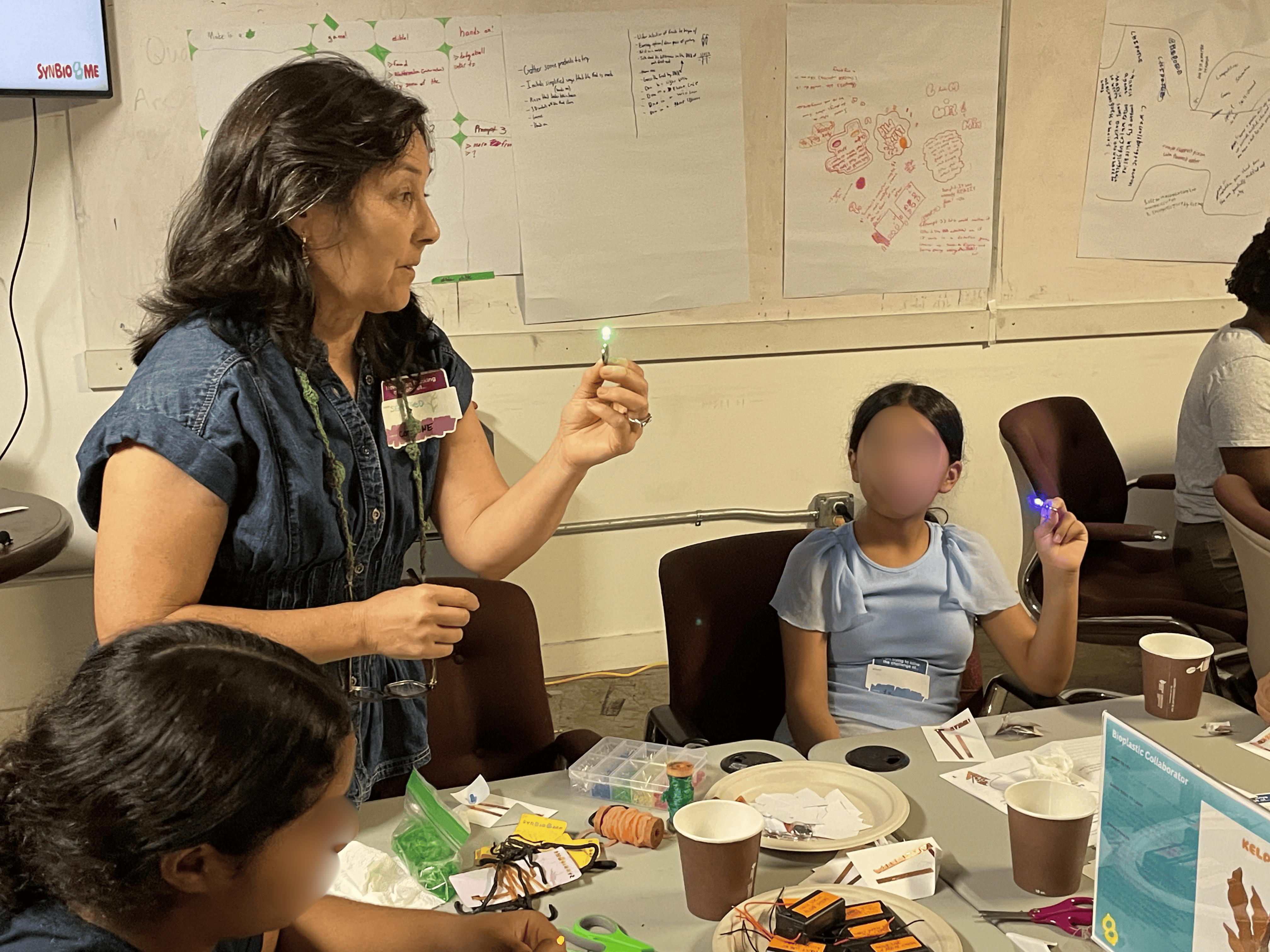
Youth explored concepts, experimented with biomaterials, and co-designed activities for informal learning.

March - June 2025
Activity Development
Designed foundational activities in synthetic biology and biomaterials (BioString, Mycelium, Agar Art).
Aug 2025
Second Co-Design Workshop — BUGSS (Baltimore)
Youth created prototype ideas, including games, experiments, art activities, and sustainability-focused designs.
Planned Scale-Up


Nov 2025 – Aug 2026
Data Organization & Dissemination
Organizing workshop data, analyzing findings, and preparing dissemination products.

2026
Curriculum Pilot Implementation
An 8-week pilot with youth and families, bringing co-designed activities to life.
2026
Data Collection Activities







Community-based Organization Partners


University Partners
SynBio & Me collaborates with leading academic institutions to co-create STEM activities and explore equitable futures for our youth.


